Crocodile Hunting vs Alligator Hunting: India & America
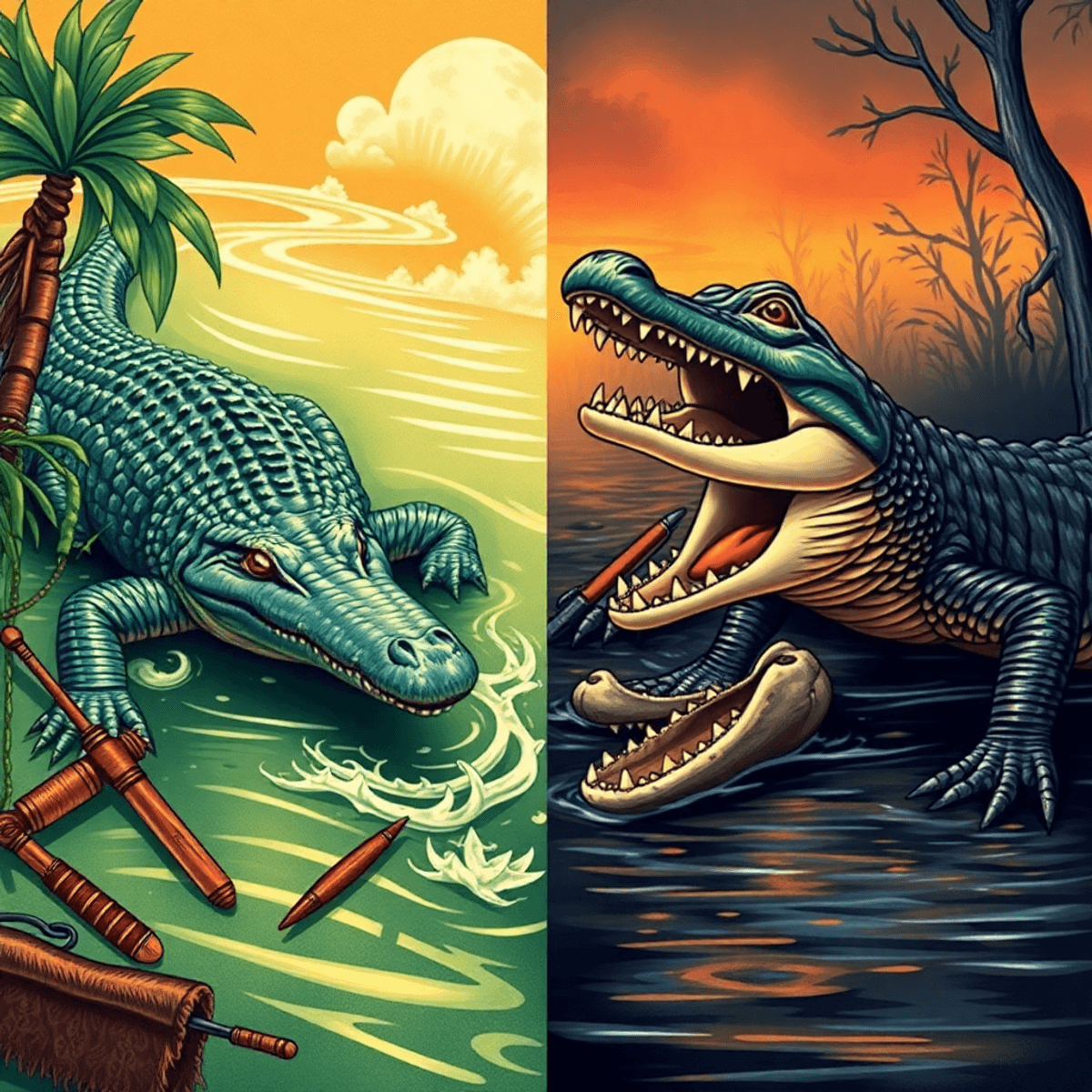
Crocodile hunting and alligator hunting are two different activities that involve hunting different types of reptiles in various parts of the world. These activities are important for cultural, ecological, and economic reasons depending on the area, especially in India and America where these reptiles are native and symbolic.
Crocodile hunting mainly refers to hunting species found in India such as the saltwater crocodile and mugger crocodile. These reptiles thrive in diverse aquatic habitats ranging from coastal mangroves to inland rivers.
Alligator hunting is primarily associated with America, particularly the southeastern United States, which is home to the American alligator that lives in freshwater ecosystems like swamps and lakes.
Both crocodiles and alligators play crucial roles as top predators, maintaining balance within their ecosystems by controlling prey populations. Understanding the differences between these species and their hunting traditions provides valuable insight into regional wildlife management, conservation challenges, and cultural heritage.
This article focuses on comparing crocodile hunting in India with alligator hunting in America by examining:
- Key species characteristics
- Hunting methods unique to each region
- Ecological significance
- Conservation status
Understanding these aspects helps reveal how humans interact with these powerful reptiles across continents and emphasizes the importance of sustainable practices that safeguard them for future generations.
Understanding Crocodiles and Alligators
Crocodiles and alligators are both reptiles that belong to the order Crocodylia, which makes them closely related. Even though they have some similarities, they are actually two different families with their own special traits. These traits influence how they behave, where they prefer to live, and how they interact with humans.
Distinct Reptile Characteristics
Family Classification
- Crocodiles belong to the family Crocodylidae.
- Alligators are part of the family Alligatoridae.
This difference in classification shows that crocodiles and alligators have variations in their body structure and natural habitats.
Morphological Differences
When comparing crocodiles and alligators, there are two physical features that stand out:
- Snout Shape: Crocodiles usually have a long, narrow, V-shaped snout which helps them catch fish and other agile prey. On the other hand, alligators have a wider, U-shaped snout that gives them more power to crush things, making it easier for them to eat turtles and other animals with hard shells.
- Foot Webbing: Crocodiles have more extensive webbing between their hind toes compared to alligators. This adaptation improves swimming efficiency in brackish or saltwater habitats where many crocodile species thrive.
Behavioral Traits
The differences in behavior affect how each reptile hunts and interacts with its surroundings:
- Aggression Levels: Crocodiles tend to be more aggressive towards humans and other animals. They are territorial by nature, which makes encounters with them more dangerous. Alligators, on the other hand, are generally less aggressive but will defend themselves vigorously if they feel threatened.
- Feeding Habits: Both crocodiles and alligators are carnivorous predators that eat fish, birds, mammals, and amphibians. However, crocodiles usually hunt in saltwater or brackish environments while alligators prefer freshwater rivers, lakes, and swamps.
Diversity Among Crocodiles
There are around 10 different types of crocodiles worldwide:
- Saltwater crocodile (Crocodylus porosus) – largest living reptile found in India and Southeast Asia.
- Nile crocodile (Crocodylus niloticus) – widespread across Africa’s freshwater systems.
- Mugger crocodile (Crocodylus palustris) – native to India’s rivers and lakes.
- American crocodile (Crocodylus acutus) – inhabits coastal areas of the Americas.
- Morelet's crocodile (Crocodylus moreletii) – Central American freshwater species.
- West African crocodile (Crocodylus suchus) – similar to Nile crocodile but genetically distinct.
- Dwarf crocodile (Osteolaemus tetraspis) – smallest species found in West Africa.
- Cuban crocodile (Crocodylus rhombifer) – restricted to Cuba’s freshwater bodies.
- Orinoco crocodile (Crocodylus intermedius) – critically endangered species from South America.
- Siamese crocodile (Crocodylus siamensis) – native to Southeast Asia’s rivers.
Each species has its own unique adaptations that help it survive in its specific environment.
Understanding these differences between crocodiles and alligators is important because it lays the groundwork for exploring their roles in ecosystems such as those found in India or America as well as their hunting practices.
Key Crocodile Species in India
India is home to two prominent crocodile species that play critical roles in its diverse ecosystems: the Saltwater Crocodile and the Mugger Crocodile. Both species have distinct physical and behavioral traits, as well as unique habitat preferences that define their presence across various regions.
Saltwater Crocodile (Crocodylus porosus)
Size & Appearance
The saltwater crocodile, often called the largest living reptile, can reach lengths exceeding 6 meters and weigh over 1,000 kilograms. Its robust body is covered with thick, armored scales, and it has a broad V-shaped snout adapted for powerful biting.
Habitat
This species inhabits coastal areas, brackish wetlands, estuaries, and freshwater rivers primarily along India's eastern coastline. It is also found throughout Southeast Asia extending to northern Australia. Saltwater crocodiles are uniquely capable of tolerating saline environments due to specialized salt glands.
Behavior
Known for their aggressive nature, saltwater crocodiles are apex predators that hunt a wide range of prey such as fish, mammals, birds, and occasionally larger animals venturing near water bodies. They exhibit territorial behavior and often dominate aquatic habitats where they reside.
Mugger Crocodile (Crocodylus palustris)
Physical Traits
The mugger crocodile is smaller than the saltwater crocodile but still formidable, typically measuring up to 4 meters. It has a broad, U-shaped snout that distinguishes it from its saltwater relative.
Habitat Preferences
This species favors freshwater environments including slow-moving rivers, lakes, swamps, and reservoirs spread across central and southern India. Unlike the saltwater crocodile, muggers rarely tolerate saline conditions.
Behavioral Characteristics
Mugger crocodiles are opportunistic feeders with diets ranging from fish and amphibians to birds and small mammals. They tend to be less aggressive than saltwater crocodiles but remain effective ambush predators within their territories.
Ecological and Cultural Importance
Both saltwater and mugger crocodiles contribute significantly to Indian ecosystems by regulating populations of various prey species, preventing overpopulation and maintaining balance in aquatic environments. They serve as indicators of healthy wetland ecosystems.
Culturally, Indian crocodiles hold symbolic importance in local folklore and religious beliefs. In some regions, they are revered creatures connected to water deities or considered guardians of sacred rivers. Traditional knowledge about these reptiles informs conservation practices that aim to protect their populations while respecting community values.
The presence of these key reptile species reinforces India's rich biodiversity. Understanding their characteristics helps appreciate the complexity of India's wildlife heritage and emphasizes why conserving these ancient reptiles is vital for ecological stability.
In order to effectively communicate the importance of these species and promote conservation efforts, creating comprehensive documentation is essential. Such documentation should not only detail the physical characteristics and behaviors of these reptiles but also their ecological roles and cultural significance. By following some best practices in creating effective documentation, we can ensure that this vital information is accessible to all.
Additionally, providing user guides can greatly enhance understanding among different stakeholders involved in conservation efforts. These guides can serve as valuable resources for educating.
Key Alligator Species in America
The American alligator (Alligator mississippiensis) is the main alligator species found in the southeastern United States. It can be recognized by its wide, U-shaped snout, which is different from the V-shaped snout of crocodiles in India. Adult male alligators usually grow to be between 11 and 15 feet long, while females are generally smaller. They have dark gray to black skin on their backs, which gradually becomes lighter underneath, helping them blend into freshwater environments.
Habitat Range and Environment
American alligators mainly live in freshwater areas such as swamps, marshes, rivers, lakes, and ponds. They can be found in states like Florida, Louisiana, Georgia, Alabama, and Mississippi, with some occasionally extending into parts of Texas and North Carolina. Unlike Indian crocodiles that can often survive in brackish or saltwater habitats (especially the saltwater crocodile), American alligators mostly stay in freshwater because they have difficulty getting rid of excess salt.
Behavior and Ecological Role Compared to Indian Crocodiles
Compared to Indian crocodiles, American alligators are generally less aggressive. Both species are top predators in their environments, but Alligator mississippiensis tends to hunt by ambushing prey in areas with thick vegetation. They primarily eat fish, frogs, reptiles, birds, and small mammals.
There are some similarities between American alligators and Indian mugger crocodiles when it comes to social behavior and using tools. Both types of reptiles have been seen using sticks or branches balanced on their snouts to attract insect-eating birds during nesting seasons. This shows an interesting example of convergent evolution in hunting techniques despite being separated by distance.
Interaction with Humans and Ecosystem Importance
The American alligator is important for keeping wetland ecosystems healthy. They do this by controlling the populations of animals they prey on and creating "alligator holes"—depressions that hold water during dry times—which provide shelter for many aquatic creatures. These features are crucial for increasing biodiversity.
Over time, humans have changed how they interact with alligators. Unlike past practices in India where crocodiles were hunted mainly for their skin or food needs (known as crocodile hunting), hunting American alligators today is carefully managed through permits and specific seasons to ensure sustainability. Thanks to conservation efforts and protecting their habitats, alligator populations have recovered from being nearly extinct.
To promote safety around alligator habitats and educate the public about these animals, programs have been established. Additionally, controlled hunting licenses and ecotourism focused on these iconic reptiles bring economic benefits to local communities.
This profile shows how Alligator mississippiensis has adapted specifically for life in freshwater environments while also playing important roles in maintaining wetlands ecosystems in the southeastern US—unlike Indian crocodiles which inhabit different habitats altogether.
Hunting Practices: India vs America
Crocodile Hunting Practices in India
Crocodile hunting in India has deep roots in tradition and culture. Indigenous communities and local hunters have developed crocodile hunting methods that rely on knowledge passed down through generations rather than modern technology. These methods often involve:
- Observation of crocodile behavior: Hunters study basking spots, movement patterns, and feeding times to plan their approach carefully.
- Use of handcrafted traps: Simple yet effective traps made from natural materials like bamboo and nets are placed strategically near water bodies.
- Baiting techniques: Hunters use fish or meat as bait to lure crocodiles closer, often from concealed hiding spots.
- Patience and stealth: Success depends on remaining still and silent for extended periods to avoid alarming the animal.
This traditional hunting is not just a means of subsistence but also carries significant cultural weight. In some regions, crocodile hunting rituals are intertwined with local festivals or spiritual beliefs, symbolizing human dominance over nature or honoring ancestral practices.
Crocodiles have historically been both feared and revered, with hunting sometimes viewed as a rite of passage or a test of bravery. The craftsmanship involved in making hunting tools reflects a profound connection to the environment and respect for the animal’s power.
Hunting pressures have lessened due to conservation awareness, but these age-old methods still provide insight into how humans have interacted sustainably with crocodiles over centuries. The balance between cultural heritage and ecological responsibility remains a focal point in discussions about crocodile hunting in India today.
For those looking to explore these rich traditions further, understanding the nuances of language can be crucial. Utilizing an AI document translator can aid in breaking down language barriers, making it easier to access and appreciate the diverse cultural narratives surrounding crocodile hunting practices across different regions.
Alligator Hunting Practices in America
American alligator hunting differs significantly from crocodile hunting in India. Hunters in the USA employ modern techniques designed to maximize efficiency and comply with strict regulations. These techniques also benefit from the need of SEO world for efficient strategies, which help in disseminating information about these practices. Common methods include:
- Baited traps: These are strategically placed in freshwater habitats such as swamps, marshes, and rivers where alligators commonly reside. Hunters use bait like fish or chicken to lure alligators into these traps.
- Nighttime spotlighting: This involves hunting at night with powerful spotlights aimed at the water’s surface. The bright light reflects off the alligator’s eyes, making them easier to locate and capture.
- Harpooning and snare techniques: Once spotted, hunters often use harpoons or snares to secure the alligator safely.
Alligator hunting in the USA is regulated by state wildlife agencies to maintain sustainable populations and protect ecosystems. Licensing systems, limited hunting seasons, and quotas control harvest levels. These measures ensure a balance between recreational hunting, commercial use of alligator products (like leather), and conservation goals.
Hunting alligators is considered a regulated sport rather than a subsistence activity. It is popular in southeastern states such as Florida and Louisiana, where it supports local economies through tourism and trade.
The cultural significance of alligator hunting contrasts with crocodile hunting in India. In some Indian communities, crocodile hunting has historic roots as a rite of passage or traditional livelihood, often intertwined with folklore and local identity. Conversely, American alligator hunting emphasizes adherence to laws, conservation ethics, and sporting tradition.
Both practices reflect the unique relationships between humans and these apex predators shaped by geography, culture, and environmental management priorities.
Ecological Roles and Conservation Status
Crocodiles and alligators are ecologically important as top predators in their habitats. They help keep ecosystems balanced by controlling the numbers of prey species, which prevents overgrazing and supports biodiversity.
Key ecological roles include:
- Managing fish, amphibian, and mammal populations to stop any one species from taking over aquatic environments.
- Creating "gator holes" or wallows during dry seasons, which provide vital shelters for many smaller animals and aquatic plants.
- Affecting nutrient cycling through their eating habits and movement between different water bodies.
In both India and America, these reptiles indirectly contribute to the health of wetlands, rivers, and coastal areas by influencing community dynamics.
Conservation Challenges
Even though they play a crucial role, crocodiles in India and alligators in America face several threats that threaten their survival:
- Habitat Loss: Urban expansion, agriculture, and industrial development have significantly reduced wetland habitats necessary for breeding and hunting.
- Hunting Pressures: Unregulated hunting historically targeted crocodiles for skins and meat. Although now much reduced in India due to legal protection, illegal poaching still occurs. In America, regulated alligator hunting exists but must be carefully managed to avoid population declines.
- Pollution: Chemical pollutants degrade water quality affecting prey availability and reproductive success.
- Climate Change: Altered rainfall patterns influence nesting sites' viability and temperature-dependent sex determination in hatchlings.
Conservation efforts involve a mix of government policies, establishment of protected areas, captive breeding programs, and initiatives engaging local communities. India’s Crocodile Conservation Project is a notable example that helped stabilize saltwater crocodile populations through habitat protection and awareness campaigns. In the U.S., agencies like the Fish and Wildlife Service regulate alligator hunting seasons based on scientific population monitoring to ensure sustainable use.
Both countries stress the significance of maintaining healthy populations of these top predators not only for ecological purposes but also for preserving cultural heritage. Balancing conservation with human activities remains a major challenge requiring continuous research and flexible management strategies.
Morphological Adaptations Relevant to Hunting and Habitat
Physical adaptations in crocodiles and alligators reflect their evolutionary responses to different environments and hunting strategies. These adaptations influence their survival, efficiency in capturing prey, and habitat preferences.
Salt Glands
- Crocodiles possess specialized salt glands located on their tongues. These glands actively excrete excess salt from their bodies, enabling crocodiles to thrive in brackish and even marine environments. This adaptation is crucial for species like the saltwater crocodile (Crocodylus porosus), which often inhabits coastal estuaries and mangrove swamps where salinity fluctuates.
- Alligators lack functional salt glands, restricting them primarily to freshwater habitats such as rivers, lakes, and swamps. Their inability to efficiently eliminate excess salt limits their distribution away from salty or brackish waters.
Webbed Hind Feet
- Both crocodiles and alligators have webbing between the toes of their hind feet, aiding aquatic locomotion. This webbing increases surface area during swimming strokes, enhancing propulsion through water.
- The extent of webbing can vary among species but generally supports stealthy movement in water — essential for ambush hunting techniques where sudden bursts of speed determine hunting success.
- On land, these webbed feet also help distribute weight more evenly on soft substrates like mud or sandbanks near water bodies.
Snout Shapes
- Crocodiles typically exhibit a long, narrow V-shaped snout that allows for a strong bite force concentrated at the tip, suitable for catching fish and larger prey in diverse aquatic settings. The slender snout reduces water resistance during swift lateral strikes.
- Alligators have broader U-shaped snouts which provide increased crushing power ideal for preying on turtles, crustaceans, and other hard-shelled animals common in their freshwater habitats. This robust snout structure supports varied diets but may reduce hydrodynamic efficiency compared to crocodiles.
These morphological distinctions between crocodiles and alligators are not merely anatomical curiosities; they represent evolutionary fine-tuning that aligns with each group's ecological niche and hunting methods.
Understanding these physical adaptations offers insight into why crocodiles dominate coastal and brackish ecosystems while alligators remain confined largely to freshwater environments. Their hunting efficiency and survival strategies rely heavily on these structural features optimized over millions of years.
Conclusion
Sustainable wildlife management relies on the careful control of crocodile hunting. Both India and America show that well-organized hunting practices can balance human needs with environmental protection. Hunting rules, like permit systems and seasonal limits, help keep populations healthy while allowing local communities to benefit economically.
Awareness is crucial in shaping the future of crocodile hunting. To protect these iconic reptiles, we need informed communities who understand their role as top predators in controlling prey populations and maintaining wetland ecosystems. Conservation efforts should focus on habitat protection, anti-poaching measures, and scientific research to track population trends.
Key takeaways for the future of crocodile hunting:
- Regulated hunting ensures species sustainability without compromising ecosystem balance.
- Education fosters respect for crocodiles and alligators, reducing human-wildlife conflict.
- Community involvement strengthens conservation success through shared stewardship.
"Conservation is not just about protecting animals but securing a future where humans and wildlife coexist."
You can help by supporting policies that promote sustainable crocodile hunting and advocating for stronger conservation programs. These actions will protect the legacy of these incredible reptiles for future generations.
FAQs (Frequently Asked Questions)
What are the main differences between crocodiles and alligators?
Crocodiles and alligators are distinct but related reptiles with notable morphological differences. Crocodiles typically have a V-shaped snout, while alligators possess a broader U-shaped snout. Additionally, crocodiles have more webbing on their feet compared to alligators. Behaviorally, crocodiles tend to be more aggressive and have varied feeding habits compared to the generally less aggressive alligators.
Which key crocodile species are found in India and what are their characteristics?
India is home to significant crocodile species such as the Saltwater Crocodile (Crocodylus porosus) and the Mugger Crocodile. The Saltwater Crocodile is known for its large size, inhabiting brackish and marine environments, aided by specialized salt glands. The Mugger Crocodile prefers freshwater habitats like rivers and lakes. Both species play crucial roles in Indian ecosystems and hold cultural importance.
How do American alligator species compare to Indian crocodiles in terms of habitat and behavior?
The American Alligator (Alligator mississippiensis) primarily inhabits freshwater wetlands in the southeastern United States. Compared to Indian crocodiles, American alligators have a broader snout and lack salt glands, limiting them to freshwater environments. Behaviorally, they differ in aggression levels and feeding patterns but similarly serve as apex predators maintaining ecological balance.
What are the traditional and modern hunting practices for crocodiles in India versus alligator hunting in America?
In India, crocodile hunting utilizes traditional methods passed down through generations, often holding cultural significance as a rite of passage within certain communities. Conversely, American alligator hunting employs modern techniques such as baited traps and nighttime spotlighting for efficient captures. Alligator hunting in the USA is regulated as a sport to ensure sustainable wildlife management.
What ecological roles do crocodiles and alligators play in their respective environments?
Both crocodiles and alligators function as apex predators vital for maintaining ecosystem balance by controlling prey populations and contributing to habitat health. Their presence supports biodiversity and the overall functioning of aquatic ecosystems in India and America respectively.
How do morphological adaptations like salt glands and webbed feet benefit crocodiles compared to alligators?
Crocodiles possess specialized salt glands that allow them to excrete excess salt, enabling survival in brackish or marine environments such as those inhabited by Saltwater Crocodiles. Alligators lack these glands, restricting them mostly to freshwater habitats. Additionally, webbed hind feet enhance aquatic locomotion for both reptiles but are more pronounced in crocodiles facilitating efficient swimming.
Comments
Post a Comment