Did Ancient Indians Visit Machu Picchu? Unraveling the Mystery by Blogger Spiritual Experience in Peru and Bali Indonesia
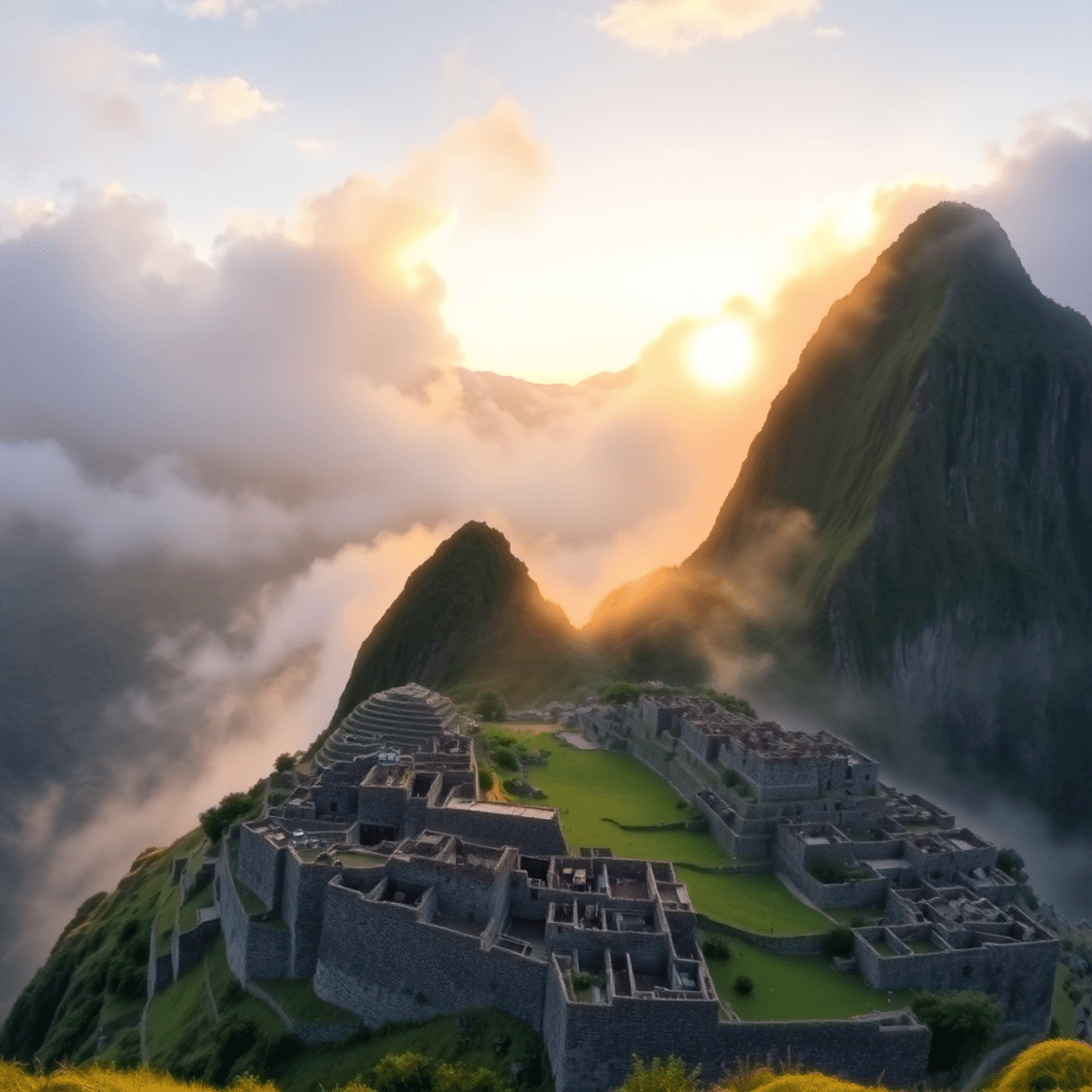
Did ancient Indians visit Machu Picchu? This question has intrigued explorers, historians, and spiritual seekers, inviting them to uncover a fascinating mystery. Stories of Ancient Indian gods in Machu Picchu from global travelers' spiritual experience have emerged, blending myth with fleeting glimpses of cultural connections. The Machu Picchu mystery goes beyond its physical structure; it encompasses spirituality, symbolism, and our shared human history.
Why is this important? Understanding potential Indian influence in Machu Picchu allows us to reconsider ancient global relationships and appreciate the deeper meanings embedded in this sacred site. It encourages us to look beyond borders and discover the threads that connect distant cultures.
This article explores three interconnected viewpoints:
- Spiritual: Insights from travelers who perceive Indian divinity within the Andean mountains.
- Cultural: Myths and comparative traditions suggesting profound links between India and Peru.
- Archaeological: Examination of evidence that either supports or challenges ancient transoceanic contact.
Join us on this journey where history intertwines with mysticism, and the past engages with the present—inviting each reader to contemplate the secrets that Machu Picchu may still harbor.
Machu Picchu: A Sacred Site with Mystical Allure
High in the Andes Mountains of Peru, Machu Picchu stands as one of the most mysterious and awe-inspiring remnants of the Inca civilization. Its story, shrouded in ancient legends, was brought to global attention in 1911 by American explorer Hiram Bingham. While local Quechua people knew about it, Bingham’s expeditions revealed this "Lost City of the Incas" to the modern world, uncovering a complex city that seamlessly blends with its natural surroundings.
The Purpose of Machu Picchu
The purpose of Machu Picchu continues to spark fascination and debate. More than just an architectural wonder, it served as a sacred site—a spiritual sanctuary where Inca priests communicated with the heavens and honored their pantheon of ancient gods. The city’s layout aligns with astronomical events, suggesting a deep connection between earthly life and celestial rhythms. This close relationship with nature is felt during a Machu Picchu spiritual experience; visitors often describe an indescribable energy filling the terraces and temples.
Architectural Marvels
Architectural wonders like the Temple of the Sun and the Intihuatana stone—thought to be an ancient solar clock or spiritual anchor—testify to advanced engineering and profound knowledge of cosmology. These structures embody the Inca’s reverence for Pachamama (Mother Earth) and Inti (the Sun god), intertwining function, spirituality, and artistry.
Walking Among Ancient Temples
As you wander through these ancient Inca temples in Peru, you can almost hear the echoes of ritual chants and offerings once made to divine forces. The stones themselves seem alive with stories passed down through centuries, inviting seekers not only to witness history but also to connect deeply with a timeless spiritual heritage. Machu Picchu is not just a collection of ruins; it is a living testament to a sacred vision where earth, sky, and spirit come together.

Exploring Spiritual Connections Between India and Peru
There is a spiritual connection between India and Peru that can be seen through the concept of the divine feminine. This idea, which represents cosmic energy, creativity, and nurturing power, was highly regarded in ancient India through the Shakti culture. Similarly, the Inca civilization also had practices that honored this feminine energy. By examining these veneration practices, we can explore the potential spiritual connections that exist between India and Peru—an invisible link that connects two continents and time periods.
Spiritual Experiences at Machu Picchu
Travelers who have visited Machu Picchu often describe feeling a deep sense of spirituality that goes beyond cultural differences. Many of them talk about an instinctive understanding—a silent conversation between their soul and the energies of the place—that brings to mind images and qualities associated with ancient Indian gods. It seems as if Machu Picchu is trying to communicate something about these deities. These globetrotting adventurers express sensations similar to encountering manifestations of Hindu gods like Durga or Kali within the sacred design and natural surroundings of Machu Picchu. The spiritual ambiance here feels charged with an energy that intriguingly aligns with the vibrational essence attributed to these powerful goddesses.
Symbolic Similarities Between Hinduism and Inca Beliefs
When we compare the mythologies and visual representations of Hindu gods with those of Inca religious concepts, we can see some symbolic similarities:
- Divine Feminine Energy: Both cultures honor feminine deities as life-givers and protectors; Shakti in Hinduism and Pachamama in Andean beliefs embody earth’s nurturing force.
- Serpent Imagery: The serpent is a potent symbol, representing transformation and protection—Nāga serpents grace Hindu temples while the Inca revered the Amaru, a mythical serpent believed to link earth with the spiritual realm.
- Sun Worship: Inti, the Inca sun god, parallels Surya from Hindu tradition, each symbolizing illumination, vitality, and cosmic order.
- Sacred Geometry: Mandalas and yantras in India find echo in Machu Picchu’s layout—both designed to channel spiritual energies harmoniously.
Uncovering Mystical Connections
While mainstream archaeology has yet to find concrete evidence of Indian deities in Peruvian ruins, it opens up space for imaginative exploration from a mystical standpoint. Ancient Inca temples in Peru often feature designs that could be seen as universal symbols shared by ancient civilizations instead of direct influences. The recurring presence of certain motifs—lotus-like carvings or concentric patterns—raises questions about whether these are mere coincidences or if they reflect a common spiritual language passed down by ancestors attuned to cosmic truths.
These musings ignite curiosity about how these spiritual connections between India and Peru might go beyond physical journeys or recorded interactions. They hint at an intangible bond woven through collective consciousness—a blending of archetypes that repeatedly appear wherever humanity seeks connection with higher powers.
A Universal Spirituality
In this soulful exploration, Machu Picchu reveals itself not only as an archaeological wonder but also as a guiding light for those tracing connections between ancient Indian gods. It offers glimpses into a universal spirituality that unites distant worlds together.

India-Peru Cultural Connections: Myth or Reality?
The idea of India Peru cultural connections is fascinating. It makes us think about ancient times and how different cultures might have influenced each other through myths and legends.
Myths and Legends Bridging Two Worlds
Stories passed down through generations tell of divine beings journeying far from their homelands, planting seeds of culture and spirituality in distant soils. Within Peruvian folklore, certain legends hint at visitors from across the seas—beings possessing profound knowledge and mystical powers strikingly reminiscent of Indian gods. Some narratives speak of radiant figures descending from the sky, echoing the tales of Hindu deities like Vishnu’s avatars or the cosmic dance of Shiva.
These shared themes spark curiosity: could these be symbolic echoes, or fragments of forgotten history? Global travelers who have wandered through Machu Picchu often recount spiritual experiences that evoke the presence of Ancient Indian gods in Machu Picchu from global travelers spiritual experience, sensing a subtle resonance between the sacred energies here and those described in Vedic texts.

Comparative Mythology: Threads Woven Between Hinduism and Inca Religion
Exploring cross-cultural mythology Machu Picchu reveals fascinating similarities:
- Cosmic cycles and creation myths: Both Hinduism and Inca belief systems describe periodic cycles of creation and destruction, with gods orchestrating universal rhythms.
- The feminine divine: The reverence for powerful goddesses such as Durga or Kali in Hinduism finds parallels in the worship of Pachamama—the Earth Mother—in Andean spirituality.
- Sacred mountains as abodes of divinity: Mount Meru in Hindu cosmology mirrors the sacred status accorded to mountains like Ausangate near Machu Picchu.
- Symbolic animals: Serpents, jaguars, and birds appear as potent symbols in both cultures, representing transformation and spiritual power.
Such resonances invite reflection on archetypal themes common to human spirituality rather than direct cultural transmission. Yet they also fuel speculation about possible ancient exchanges.
Historical Evidence: Between Fact and Speculation
The quest for historical links India Peru faces challenges. Archaeological records have yet to reveal unequivocal proof of direct contact between ancient India and South America. Maritime technology capable of such voyages during relevant periods remains a subject of debate among historians.
Artifacts unearthed at Machu Picchu and other Peruvian sites predominantly reflect indigenous origins rooted deeply in Andean traditions. While some fringe theories claim stylistic influences resembling Indian art or craftsmanship, mainstream archaeology encourages caution against conflating coincidence with connection.
This absence does not diminish the richness found in shared human stories but grounds us in an appreciation for how myth can transcend geography. It invites a dance between skepticism and wonder—a space where the spirit’s yearning for unity finds expression through narrative bridges spanning oceans and epochs.

Theories on Transoceanic Contacts Between Ancient India and South America
The question did ancient Indians visit Machu Picchu? opens a fascinating chapter in the study of transoceanic contact theories. Scholars, enthusiasts, and global travelers alike have long pondered whether maritime journeys bridged the vast Pacific between India and South America centuries ago. These theories suggest that ancient seafarers might have sailed across oceans, sharing knowledge, culture, and spirituality.
Popular Theories Proposing Ancient Maritime Travel
- Ancient Mariners’ Capabilities: Some historians argue that ancient Indian sailors possessed the skills and technology necessary for long-distance voyages. Their knowledge of monsoon winds and celestial navigation could have enabled them to cross the Pacific Ocean.
- Mythical Accounts: Legends from coastal communities in both India and Peru often describe god-like visitors arriving from distant lands. These stories fuel speculation about early contact, particularly focusing on shared motifs such as serpent symbolism and sacred mountains.
- Global Diffusion of Religions: The idea that religious concepts traveled with merchants or pilgrims has gained traction. Proponents suggest Indian deities or spiritual ideas may have left their imprint in the Americas, blending with local beliefs.
Archaeological Findings Claiming Indian Influences in Peruvian Ruins
Some researchers highlight archaeological evidence they interpret as signs of Indian influence:
- Iconographic Similarities: Stones carved with intricate patterns at certain Peruvian sites bear resemblance to motifs found in Hindu art, such as lotus flowers or chakra-like designs. Some suggest these could indicate cultural exchange or shared symbolic language.
- Textile Patterns: Certain textile fragments from ancient Peru show weaving techniques thought to be similar to those used historically in parts of India.
- Metalwork Techniques: Comparisons between metallurgical methods—particularly in gold work—have been drawn. Some scholars speculate about a diffusion of craftsmanship knowledge across continents.
Yet these findings remain hotly debated within academic circles.
Critical Assessment of Credibility Based on Current Research
Skeptics emphasize the importance of rigorous evidence when evaluating such extraordinary claims:
- Lack of Direct Evidence: No definitive artifacts conclusively prove sustained contact between ancient Indians and South American civilizations. Most supposed connections rely on circumstantial or symbolic parallels rather than concrete proof.
- Convergent Cultural Evolution: Many similarities can result from independent development in isolated cultures facing analogous environmental challenges or spiritual quests. Universal archetypes may explain shared symbols without requiring direct contact.
- Chronological Discrepancies: Timelines sometimes clash; some Indian maritime accomplishments postdate major developments at Machu Picchu or other Incan sites, complicating theories of direct influence.
- Genetic Studies: Modern genetic analyses have yet to find convincing evidence supporting significant population mixing between indigenous South Americans and ancient Indians.
“Extraordinary claims require extraordinary evidence,” an adage often repeated by archaeologists when exploring these transoceanic narratives.
The allure of discovering lost chapters connecting India’s rich spiritual heritage with Machu Picchu’s mysticism remains powerful. Whether through tangible artifacts or intangible echoes in myth and symbol, the quest to understand possible links continues to inspire explorers, historians, and seekers alike. This search for understanding is not confined to Earth alone;
Symbolism in Architecture: Hindu Iconography in Machu Picchu?
The hidden language of stones and shapes whispers across continents, inviting us to peer deeper into the architectural marvels of Machu Picchu. Some seekers and scholars have drawn attention to Hindu iconography in Machu Picchu architecture, suggesting that certain structural elements may echo the sacred geometry found in Indian temples.
The Sri Chakra and Machu Picchu: Echoes Across Oceans
Among the most captivating comparisons is the resemblance between Machu Picchu’s layout and the Sri Chakra — a complex geometric symbol central to Hindu Tantric worship. The Sri Chakra is composed of interlocking triangles symbolizing the union of divine masculine and feminine energies, forming a powerful yantra used for meditation and spiritual elevation.
At Machu Picchu, patterns formed by terraces, plazas, and temple placements bear a curious similarity:
- Concentric arrangements reminiscent of the layered triangles in the Sri Chakra.
- Central focal points, akin to the bindu (dot) representing cosmic unity.
- A harmonious blend of verticality and horizontal planes that mirrors the spiritual symbolism embedded in Hindu temple architecture.
While it is tempting to ascribe intentional design influenced by Indian sacred geometry, these parallels could arise from shared human tendencies to express spirituality through geometric harmony rather than direct transmission.
Temple Designs: Inca Structures and Hindu Temples
Venturing beyond layouts, some travelers note visual echoes between Inca temples and traditional Hindu temples, especially in:
- Use of stepped terraces resembling mandapas (pavilions).
- Intricate stonework that channels natural energy flows much like vastu shastra principles.
- Symbolic alignments with celestial bodies, paralleling Hindu temple orientations toward solstices or planets.
Such similarities prompt inquiry into whether ancient builders independently tapped into universal archetypes or if subtle influences crossed vast oceans through forgotten encounters.
Perspectives from Scholarship and Mysticism
Academic voices generally urge caution against overstating connections without concrete evidence. Archaeologists highlight:
“Machu Picchu’s architecture reflects indigenous Andean cosmology rooted deeply in local environment and traditions.”
Yet mystics and global travelers often share personal revelations uncovering resonances between these distant cultures. They perceive an energetic thread binding sacred sites across continents—an invisible web woven by universal spiritual truths transcending geography.
This interplay between scientific rigor and spiritual insight invites us to listen not only with eyes but also with intuition. Whether coincidence or cosmic design, such symbolic intersections enrich our understanding of humanity’s shared quest for meaning etched into stone.
Spiritual Geography: Arunachala Hill and Machu Picchu Connection
The mystical landscape of our world often reveals hidden threads connecting distant sacred sites. One such profound insight comes from Bhagavan Ramana Maharshi, who spoke of Arunachala Hill in Tamil Nadu, India, as the spiritual axis of the world—a cosmic center radiating divine energy. His teachings hint at a counterpart far across the globe, near the ancient ruins of Machu Picchu in Peru.
The Significance of Arunachala Hill
Arunachala Hill is more than just a geographical landmark; it holds deep spiritual meaning. It represents the living presence of Shiva, symbolizing eternal light and inner awakening.
The Role of Machu Picchu
Maharshi’s vision suggests that Machu Picchu acts as a sacred node in this global network, mirroring Arunachala's spiritual essence on another continent.
The Concept of Energy Lines
This link between two sacred mountains—one in South Asia and the other in South America—invites contemplation on how energy lines or ley lines might weave through Earth’s spiritual geography.
Global travelers sharing their spiritual experiences often describe sensing ancient Indian gods' presence within Machu Picchu's aura. These accounts speak of an intangible connection, where the vibrations around Machu Picchu resonate with the same divine frequencies found at Arunachala. Such encounters create a bridge between worlds, fusing Indian mysticism with Andean spirituality.
Sacred mountains have long served as portals to higher consciousness, and when two such revered peaks align spiritually across continents, they form a cosmic dialogue transcending time and culture.
Inspiring Modern Seekers
This theory inspires modern seekers to explore beyond physical borders. It encourages journeys not just of foot but of soul—connecting hearts across oceans through shared sanctity.
In recognizing these spiritual geographies, one steps into a larger tapestry where ancient wisdom flows freely between East and West, inviting every traveler to feel themselves part of an ongoing, sacred story.
Shared Symbolism Between Hindu and Inca Deities
Throughout history, various cultures have developed their own belief systems, often featuring deities with distinct characteristics and stories. However, upon closer examination, we can find intriguing similarities between the gods of different civilizations. One such example is the shared symbolism found in the religious art and mythology of Hinduism and the Inca Empire.
Common Symbols in Hindu and Inca Religious Art
1. Serpents and Kundalini Energy
Both traditions hold serpent imagery in high regard, using it as a representation of life force and spiritual awakening. In Hinduism, Nāga serpents symbolize protection and cosmic energy, while Inca iconography often incorporates serpentine shapes in temples and textiles to signify fertility and renewal. This common reverence for serpents suggests a universal understanding of transformation.
2. The Solar Disk and Deity Crowns
The sun plays a crucial role in Hindu worship through Surya, the solar deity frequently depicted with a radiant disk behind his head. Similarly, Inti—the revered Inca sun god—is represented by golden disks symbolizing divine light. Sculptures from both cultures showcase crowns or headdresses featuring solar motifs that bear striking resemblances.
3. Triadic Forms and Cosmic Triangles
The triangular shapes present in Inca temple layouts resemble the sacred Sri Chakra of Hindu tradition—an interlocking pattern embodying cosmic balance through upward and downward pointing triangles. This geometric symbolism represents the harmonization of masculine-feminine principles within cosmic forces.
Legends Suggesting Universal Archetypes or Intercultural Echoes
Ancient stories often carry hints of shared wisdom:
The legend of Viracocha, the great creator god in Andean lore, speaks of a radiant figure who emerged from Lake Titicaca to bring civilization—paralleling tales of Indian sages descending from celestial realms to impart knowledge.
Similarly, Hindu epics recount divine beings traversing vast distances to spread dharma (cosmic law), evoking images reminiscent of those who may have journeyed across oceans in ancient times.
These legends may not confirm direct contact but reveal how humanity’s spiritual imagination channels common themes—creator deities bringing enlightenment, serpents as cosmic forces, and sacred geometry connecting earth to sky.
Moreover, the concept of a Vedic global culture further supports this idea of intercultural connections, suggesting that these shared symbols may be remnants of a more interconnected ancient world.
The Inca templates etched into stone walls and ceremonial sites resonate with these symbols. Whether coincidence or fragmented evidence of intercultural threads woven long ago remains a mystery beckoning seekers to explore beyond borders—where myth meets history beneath Machu Picchu’s timeless stones.
The Role of Global Travelers in Shaping Spiritual Narratives at Machu Picchu
Machu Picchu's allure goes beyond its impressive architecture and breathtaking views. People from all over the world come here not just to explore, but to seek something deeper—a spiritual connection that resonates with distant cultures, including India.
Personal Stories of Spiritual Experiences
Many international visitors have shared incredible accounts of their spiritual encounters at Machu Picchu. They describe moments when they felt an unseen energy in the air, linking them to ancient Indian teachings. These personal revelations often occur during sunrise ceremonies or quiet meditative walks along the terraces, where the sacred design of the site awakens a feeling of global harmony. Some travelers report visions reminiscent of Hindu gods, while others experience a deep connection with Shakti, the feminine divine principle recognized in both traditions.
The Rise of Mystical Interpretations
These individual experiences have given birth to a rich tapestry of mystical interpretations surrounding an India-Peru connection. Although concrete historical evidence remains elusive, these narratives fuel a collective imagination that goes beyond factual data. The stories shared by travelers find their way into travel blogs, spiritual retreats, and online communities, adding new dimensions to Machu Picchu's narrative—one where boundaries between continents and eras blur through common symbols and energies.
Experiences describing:
- A tangible spiritual link between Hindu and Inca belief systems
- Coincidences between rituals performed at Arunachala Hill in India and ceremonies witnessed on Machu Picchu's sacred grounds
- Personal transformations triggered by the convergence of two ancient worlds in one location
The Significance of Ancient Sites
Skeptics may question these stories for lacking archaeological evidence. Yet these spiritual testimonies highlight how ancient sites like Machu Picchu act as gateways for timeless truths deeply felt by those willing to embrace them. The narratives shared by global travelers serve as living connections—sustaining a conversation between India and Peru that might otherwise fade into history's silence.

Archaeological Evidence vs. Mystical Interpretations: Finding Balance in the Debate over Indian Influence at Machu Picchu
Machu Picchu's reputation as a spiritual hub has led many to seek connections that extend beyond the Andes, even reaching back to ancient India. The notion of archaeological evidence supporting an Indian presence in Peru is intriguing but requires careful examination through scientific methods.
The Limitations of Scientific Evidence
Currently, there is limited and inconclusive scientific evidence regarding ancient interactions between India and Peru. Archaeologists have not yet discovered any artifacts, inscriptions, or clear signs of Indian influence in the material culture that would definitively establish a link between these two regions. Excavations at Machu Picchu have revealed intricate Inca craftsmanship and architectural styles deeply rooted in Andean traditions, with no discernible Indian impact. Additionally, the lack of advanced seafaring technology or documented trade routes connecting these distant lands poses significant challenges to claims of historical contact across oceans based solely on empirical evidence.
The Power of Personal Experience
On the other hand, mystical interpretations of Machu Picchu's spirituality come alive through the accounts of travelers and spiritual seekers from around the world who perceive echoes of ancient Indian deities within the Peruvian landscape. These encounters are often described as symbolic or visionary rather than literal experiences:
“Standing among the terraced slopes, I was overcome with an inexplicable resonance—an energy reminiscent of Shakti’s divine feminine force,” says one traveler attuned to both Hindu and Inca spiritual motifs.
Such personal revelations highlight a universal quest for meaning, where ancient Indian deities in Machu Picchu become pathways for global travelers' spiritual experiences—connecting cultures that may be physically separated but are united through shared symbols.
Striking a Balance
This tension between concrete evidence and subjective experience calls for a more nuanced perspective:
- Archaeology provides objective data, grounding our understanding in physical reality.
- Mysticism adds depth to this narrative with layers of metaphor, spirituality, and collective human consciousness.
By combining critical thinking with openness, we can appreciate how mystical interpretations might convey deeper truths that science has yet to uncover. It acknowledges that while archaeology currently discredits any direct Indian presence at Machu Picchu, the symbolic and spiritual connections continue to foster dialogue between cultures.
The intersection where scientific rigor meets spiritual insight becomes fertile ground for exploration—a reminder that history encompasses not only what we discover beneath the surface but also what resonates within our hearts.

Practical Information for Visitors Interested in Exploring Both History and Spirituality at Machu Picchu
Embarking on a journey to Machu Picchu is stepping into a living tapestry woven with history, spirituality, and breathtaking landscapes. To truly immerse in the essence of this ancient Inca sanctuary, timing and guidance play pivotal roles.
Best Time to Visit Machu Picchu
- Dry season (May to September) offers clear skies and vibrant vistas, ideal for photography and trekking. The spiritual energy feels palpable under the sunlit peaks.
- Shoulder months (April and October) provide a balance between fewer crowds and relatively good weather, perfect for reflective visits to the ancient Inca temples.
Guided Tours Machu Picchu Peru
Opting for guided tours focusing on both historical facts and spiritual narratives enriches the experience. Knowledgeable guides illuminate:
- The architectural genius behind Machu Picchu’s terraces, temples, and plazas.
- Spiritual symbolism embedded in stone carvings and layout reflecting universal principles akin to those found in Indian traditions.
Many guided tours of Machu Picchu Peru now cater specifically to travelers seeking a deeper connection beyond sightseeing—incorporating meditation sessions at sacred spots or storytelling that links the cultural threads between continents.
Exploring Machu Picchu through such lenses transforms a typical visit into a soul-stirring pilgrimage where every corner whispers stories of ancient wisdom and cosmic harmony.

Conclusion
The question Did ancient Indians visit Machu Picchu? invites us into a fascinating space where history, spirituality, and imagination intertwine. While tangible archaeological evidence for direct contact remains elusive, the rich tapestry of cross-cultural spirituality reveals universal themes that echo across continents and epochs.
This exploration encourages a delicate balance: honoring the mystery and beauty of these connections without blurring the line between myth and history. By diving deeper into comparative mythology and archaeological research, seekers can uncover new layers of meaning within humanity’s shared heritage—one that transcends borders and time.
Such an approach nurtures respect for the sacred landscapes like Machu Picchu while opening hearts and minds to the profound unity that threads through our diverse spiritual journeys.

Call to Action – Continue Your Journey Into Cross-Cultural Mysteries
The story of Ancient Indian gods in Machu Picchu from global travelers spiritual experience opens a gateway to a vast realm of comparative mythology research and transoceanic contact studies. This mystery invites seekers, scholars, and wanderers alike to dive deeper into the intertwined spiritual legacies of India and South America.
Here are some ways you can continue your exploration:
- Delve into books and documentaries that explore these fascinating cross-continental connections. Titles focusing on Inca spirituality alongside Hindu symbolism reveal fresh perspectives.
- Engage with academic papers that dissect archaeological findings and cultural parallels, enriching your understanding beyond surface-level myths.
- Join guided tours at Machu Picchu or participate in online forums where passionate travelers and experts share insights on spiritual tourism, blending history with intuition.
- Share your own stories or spiritual experiences related to global heritage — your voice adds layers to this living narrative.
“The world’s mysteries are threads woven through time and space; pulling one strand reveals a tapestry of shared human wonder.”
Your journey does not end here. Embrace curiosity as your compass and embark on explorations that connect ancient worlds, keeping alive the spirit of discovery that unites us all.
FAQs (Frequently Asked Questions)

Did ancient Indians visit Machu Picchu and influence its spiritual significance?
While intriguing theories and spiritual experiences suggest possible connections between ancient Indians and Machu Picchu, there is currently no conclusive archaeological evidence confirming that ancient Indians visited Machu Picchu. Exploring this mystery involves examining spiritual, cultural, and archaeological perspectives to appreciate shared human heritage.
What is the spiritual importance of Machu Picchu in Inca civilization?
Machu Picchu served as a sacred site for the Incas, embodying a profound spiritual atmosphere and architectural marvels. It was a center for ancient Inca temples and religious practices, reflecting the civilization's deep connection with their gods and myths.
Are there spiritual connections between Indian deities and the religious concepts of Machu Picchu?
Global travelers have noted symbolic parallels between Hindu gods and Inca religious concepts at Machu Picchu, including shared feminine universal principles akin to Shakti culture. These observations highlight potential spiritual connections that invite further exploration of cross-cultural spirituality.
What theories exist about transoceanic contacts between ancient India and South America?
Popular theories propose that ancient maritime travel might have connected India and South America, suggesting Indian influences in Peruvian ruins. However, these theories remain speculative, with current archaeological research offering limited support for direct contact between the two civilizations.
Is there Hindu iconography reflected in Machu Picchu's architecture?
Some analyses explore architectural similarities between Machu Picchu structures and Hindu sacred symbols such as the Sri Chakra. While these comparisons are fascinating, interpretations vary between scholarly skepticism and mystical perspectives, making it an open topic for further study.
How can visitors experience both the historical and spiritual aspects of Machu Picchu?
Visitors interested in exploring Machu Picchu's history and spirituality can benefit from guided tours that focus on both elements. The best time to visit is during seasons that enhance the site's ambiance, allowing travelers to fully immerse themselves in its ancient Inca temples and mystical atmosphere.

Comments
Post a Comment