How Ancient Gods Statues Connect Us to Global Spiritual Traditions
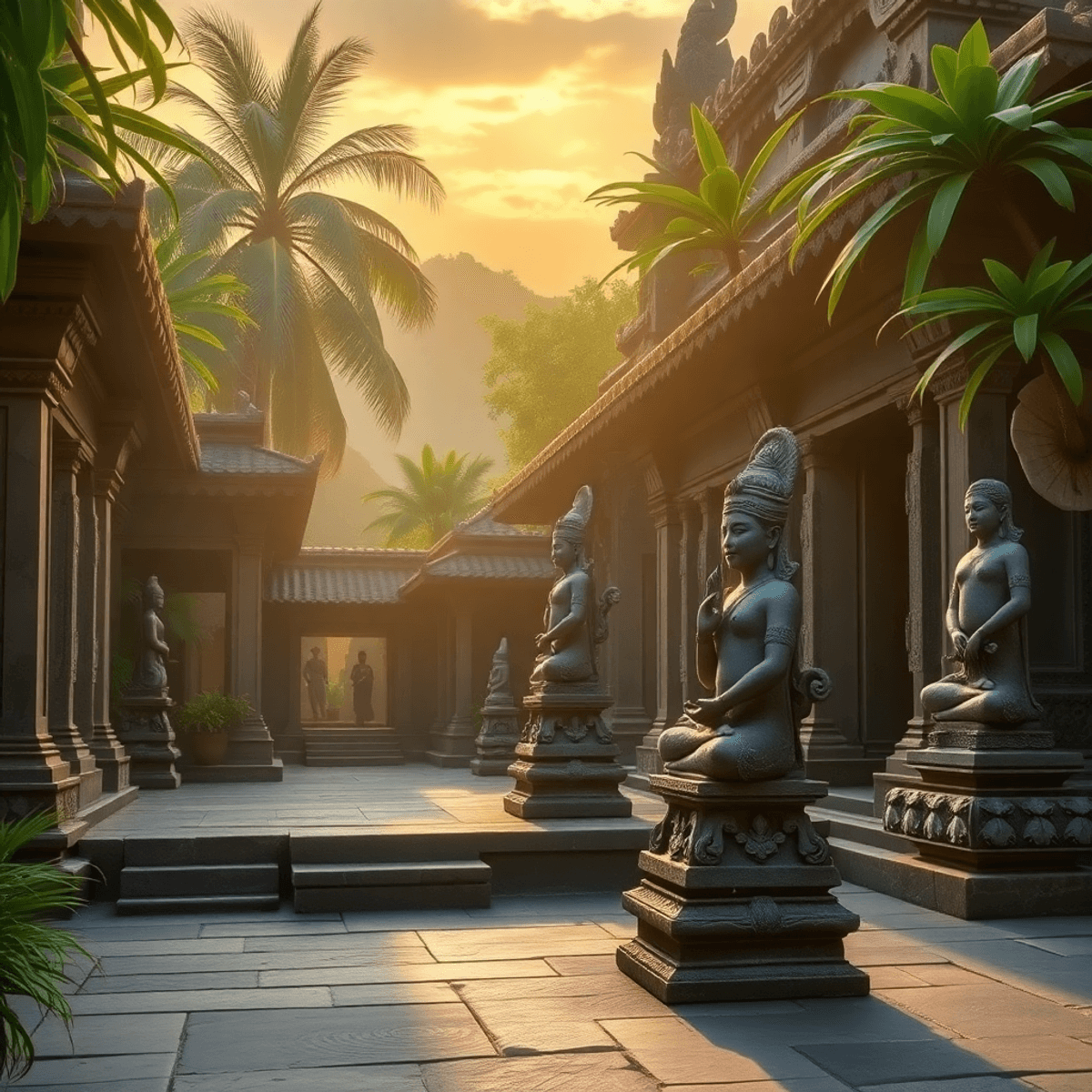
Ancient god statues are more than just stone carvings or decorative relics. They are powerful symbols filled with spiritual meaning, representing various global belief systems. Each statue tells a unique story that goes beyond time and place, inviting us to explore the mystical realms of different cultures.
When we travel the world, we can see how ancient civilizations expressed their spirituality through these divine sculptures. Asia, especially, has a rich history of this sacred art form. One fascinating example is Bali, with its iconic temples and Hindu deity statues. These statues are not only cultural artifacts but also gateways to ancient wisdom and devotion.
In this article, we will take a closer look at Bali's legendary temples and the divine figures carved in stone and bronze. We will explore how these statues connect modern travelers and spiritual seekers with age-old traditions, fostering understanding and appreciation across borders.
For bloggers interested in writing about travel in Asia and spiritual heritage, this exploration offers valuable insights into the significance of ancient god statues in our collective search for meaning. It's important to remember that such explorations can also be transformative experiences, opening up new perspectives and insights.
The Spiritual Significance of Ancient Gods Statues
Ancient statues of Hindu gods hold profound spiritual meaning in Balinese culture, far surpassing their physical form as mere sculptures. Among the most revered are representations of Vishnu and his mythical mount, the Garuda bird. Vishnu, known as the preserver and protector within Hinduism’s Trimurti, embodies cosmic order and divine sustenance. The Garuda, a majestic eagle-like creature, symbolizes strength, courage, and the eternal quest for immortality—reflecting stories deeply embedded in Hindu mythology.
These statues act as more than artistic icons; they serve as conduits through which worshippers connect with divine energy. Devotees believe that through prayer and offerings directed at these sacred images, spiritual forces become accessible, inviting blessings and protection. The physical presence of the gods in temple courtyards or shrines transforms these spaces into vibrant centers of spiritual activity where rituals unfold with heartfelt devotion.
In addition to pan-Hindu deities like Vishnu and Garuda, Balinese spirituality embraces local gods such as Dewi Danu, the revered goddess of water and lakes. Dewi Danu embodies natural elements essential to life—especially water’s vital role in agriculture and ecosystem balance across Bali’s terraced rice fields. Her statues often reside near lakes or rivers, reminding communities of nature’s sacred rhythms and the harmonious relationship humans must maintain with their environment.
The spiritual landscape woven by these statues reflects a worldview where divine forces are intimately linked to everyday life. Whether invoking universal Hindu themes or honoring unique Balinese deities like Dewi Danu, these sacred figures invite ongoing engagement with spirituality that is both personal and communal. They inspire respect for the unseen energies shaping existence, encouraging a deepened awareness of balance between humanity, nature, and the cosmos.
Exploring Bali's Iconic Ancient Temples
Bali’s ancient temples are a beautiful representation of its spiritual landscape. Each temple is dedicated to different gods and showcases various aspects of the island’s vibrant Hindu culture. These sacred sites are living reminders of the deep-rooted spiritual traditions that continue to thrive across generations.
Tanah Lot Temple: A Tribute to the Ocean Gods
Tanah Lot Temple stands majestically on a rocky outcrop overlooking the Indian Ocean. This temple is dedicated to the ocean gods and exemplifies the close relationship Balinese culture has with the sea. During low tide, visitors can access Tanah Lot by foot, where they will find not only a place of worship but also breathtaking sunset views that illuminate its silhouette against the fiery sky. The temple’s architecture harmonizes with its surroundings—natural rock formations and traditional Balinese stone carvings merge seamlessly, evoking reverence for both nature and deity.

Ulun Danu Beratan Temple: The Goddess of Water
In contrast, Ulun Danu Beratan Temple nestles peacefully on the shores of Lake Beratan in Bali’s mountainous Bedugul region. This temple honors Dewi Danu, the goddess of water, lakes, and rivers, who is crucial for sustaining Bali’s agriculture and spiritual balance. The temple complex features multi-tiered meru shrines with thatched roofs ascending toward the heavens. Reflections of these structures on the tranquil lake waters create an ethereal atmosphere that invites meditation and connection with natural elements.

Uluwatu Temple: Guardian of the Southwestern Coast
Uluwatu Temple, perched dramatically 70 meters above sea level on a cliff edge, serves as a guardian of Bali’s southwestern coast. This temple is dedicated to sea spirits and is revered for its stunning ocean vistas. Uluwatu is also famous for traditional Kecak fire dance performances at sunset. The temple’s open-air layout embraces panoramic views while integrating intricate stone sculptures that depict mythological figures, embodying protection and spiritual vigilance.

Distinct Spiritual Roles and Architectural Contrasts
The architectural differences between these temples highlight their unique spiritual functions:
- Sea temples like Tanah Lot and Uluwatu blend rugged natural landscapes with carved stone sanctuaries facing vast waters.
- Mountain temples such as Ulun Danu Beratan emphasize serene water bodies framed by lush greenery and tiered shrines reaching skyward.
These iconic ancient temples encapsulate Bali’s profound reverence for nature’s forces—oceans, lakes, mountains—and their divine guardians. Visiting them reveals how architecture becomes a vessel for storytelling and worship across Bali’s rich spiritual tapestry.
Experiencing Spirituality Through Temple Rituals and Performances
Bali’s ancient gods statues make you think about spiritualist traditions that come alive through temple rituals Bali visitors can witness and participate in. These rituals are more than ceremonies; they are immersive experiences connecting devotees and travelers alike to the divine presence embodied by the statues.
1. Participation in Temple Rituals
Visiting temples such as Uluwatu and Tanah Lot offers a unique chance to engage with living spiritual practices. Locals perform offerings, prayers, and purification rites that invoke blessings from the deities. Observing or joining these rituals allows one to feel the palpable energy reverberating through the sacred spaces. The rhythmic chanting, incense smoke, and floral offerings create an atmosphere charged with devotion. This engagement transforms a simple visit into a meaningful spiritual encounter.
2. Kecak Dance Performance Bali
A highlight of temple visits is the traditional Kecak fire dance performance, especially at Uluwatu Temple perched dramatically above the Indian Ocean. This captivating dance narrates episodes from Hindu epics like the Ramayana, using a chorus of chanting men who form a hypnotic rhythm with their voices. The dancers’ intricate movements, vibrant costumes, and flickering flames dramatize battles between good and evil, divine love, and heroic quests.
The Kecak dance transcends entertainment; it serves as a ritualistic storytelling medium connecting audiences to ancient mythologies linked to the very statues they admire. By witnessing this ritual art form amid Bali’s breathtaking natural settings, visitors experience spirituality in motion — where myth, music, movement, and devotion merge seamlessly.
Temple rituals Bali combined with performances like Kecak illuminate how statues of ancient gods are not static relics but gateways inviting participation in timeless spiritual narratives that continue to inspire generations.
Garuda Wisnu Kencana Statue: A Modern Marvel with Ancient Roots
The Garuda Wisnu Kencana statue (GWK) is a massive tribute to Hindu mythology and holds the title of the tallest statue in Indonesia. Located in the vast GWK Cultural Park, this impressive sculpture vividly depicts the god Vishnu riding his mythical mount, the Garuda bird.
History and Construction Highlights
Here are some key facts about the history and construction of the Garuda Wisnu Kencana statue:
- The idea for GWK was created by famous Balinese sculptor Nyoman Nuarta, who began working on it in the early 1990s.
- It was built mainly using copper and brass sheets over a strong stainless steel frame. The statue stands:
- 75 meters tall (the statue itself)
- 121 meters total height including its base
- Width of approximately 65 meters
- Weighing around 4,000 tonnes, it is about 30 meters taller than the Statue of Liberty.
- Special engineering methods were used to make it resistant to Bali’s earthquakes and tropical storms. Eleven steel beams meet at a crucial support point to ensure stability.
- The crown of Vishnu shines with golden mosaics enhanced by dedicated lighting, emphasizing spiritual illumination.
- Completed in July 2018 and inaugurated by President Joko Widodo in September that year, GWK represents decades of dedication blending artistry, engineering, and faith.
Spiritual Symbolism Embedded in GWK
The statue embodies rich Hindu stories focused on Garuda’s quest for amrita, the elixir of immortality. Garuda, a mythical eagle-like creature, represents strength, bravery, and loyalty — qualities essential in overcoming challenges. Vishnu riding Garuda signifies divine protection and cosmic balance.
Here are some interpretations of the symbolism within GWK:
- Garuda’s flight reflects liberation from earthly limitations and spiritual ascension.
- The depiction serves as a reminder of eternal vigilance against evil forces and preservation of dharma (cosmic order).
- GWK acts as a modern-day spiritual beacon inviting visitors to connect with ancient Hindu wisdom through monumental art.
The grand scale combined with intricate mythological storytelling transforms the Garuda Wisnu Kencana statue into more than just a tourist attraction; it is a living symbol bridging past legends with present cultural identity.
Cultural Parks and Monuments as Living Spiritual Landmarks in Bali
Bali's spiritual heritage thrives within cultural parks and monuments that serve as dynamic spaces where tradition, art, and devotion intertwine. The GWK Cultural Park stands as a beacon of Balinese spirituality and artistic expression. Beyond housing the monumental Garuda Wisnu Kencana statue, the park offers visitors immersive experiences through daily performances and art exhibitions. These events often include traditional dances and theatrical presentations that embody Hindu epics, nurturing a living connection to Bali’s ancient spiritual narratives.
Kecak Fire Dance at Uluwatu Temple
The Kecak Fire Dance at Uluwatu Temple, frequently showcased in conjunction with cultural events at GWK, provides an electrifying ritual performance. This dance dramatizes stories from the Ramayana with rhythmic chants and mesmerizing fire movements, inviting spectators to witness a spiritual journey deeply rooted in Balinese Hinduism.
The Bajra Sandhi Monument in Denpasar complements this cultural preservation by focusing on Balinese history and spirituality through its intricate dioramas. Visitors walk through galleries depicting pivotal moments in Bali’s past, symbolizing the islanders' resilience and devotion.
- Each diorama serves as a visual narrative connecting historical events with spiritual values central to Balinese identity.
- The monument’s architecture itself is inspired by traditional Balinese design, reinforcing a sense of sacredness while providing panoramic views that invite reflection on the island’s cultural landscape.
Both GWK Cultural Park and Bajra Sandhi Monument function not only as tourist attractions but as custodians of spiritual knowledge. They sustain Bali's rich heritage by engaging locals and travelers alike in an authentic exploration of divine symbolism, mythology, and history embedded in stone, performance, and storytelling. These living landmarks embody how ancient beliefs continue to inform contemporary expressions of faith and cultural pride across the island.
Connecting Ancient Gods Statues to Global Spiritual Traditions
Ancient Indian god statues are not just limited to their place of origin; they hold deep spiritual significance that resonates with various cultures around the world. For instance, the statues found in Bali, such as those depicting Vishnu and Garuda, have a strong connection to their counterparts in India and other regions where Hinduism has spread. While these representations of ancient Hindu gods share similar mythological stories, they also showcase unique artistic styles influenced by local cultures and beliefs.
1. Balinese vs Indian depictions
Balinese statues often emphasize ornate carvings and dynamic postures that reflect the island’s unique blend of Hinduism infused with indigenous animist traditions. In contrast, ancient Indian god statues—found in temples across Tamil Nadu, Odisha, or Karnataka—tend to follow strict iconographic rules outlined in ancient texts like the Shilpa Shastras. For example, Vishnu’s form in Bali may be integrated with local motifs such as flowing water or volcanic symbols, while Indian versions focus on classical attributes like the chakra and conch shell.
2. Global manifestations of Hindu deities
Beyond India and Indonesia, Hindu deities have been embraced throughout Southeast Asia (Cambodia’s Angkor Wat), Nepal’s Kathmandu Valley, Sri Lanka, and even diaspora communities worldwide. Each locale interprets these figures through its own lens—ancient gods statues become living symbols connecting devotees to shared spiritualist values despite cultural differences.
3. Cross-cultural understanding through sacred art
Encountering ancient Indian god statues in different global contexts invites reflection on universal themes: divinity, protection, cosmic order, and enlightenment. These sculptures act as visual stories bridging continents and epochs. They encourage travelers and spiritual seekers alike to appreciate the layered meanings embedded within religious iconography.
“Ancient Gods statues make you think about spiritualist connections that transcend borders.”
Engaging with these sacred artworks during global travel enriches one’s perspective on Hinduism worldwide. It highlights how ancient traditions adapt yet endure—manifested anew through stone and metal artistry across oceans and generations.
Practical Travel Tips for Visiting Spiritual Landmarks in Bali Respectfully
Navigating Bali’s spiritual landmarks requires thoughtful planning to ensure a respectful and immersive experience. Understanding transportation options and crafting an itinerary that balances exploration with reverence enhances your journey through these sacred sites.
Transportation Options: Getting Around with Ease
- Scooter Rentals: Renting a scooter offers flexibility and a sense of adventure, perfect for exploring temples nestled in Bali's diverse landscapes. Local services like Hey Bali provide well-maintained scooters, complete with helmets and insurance options. Familiarity with Balinese traffic rules is essential for safety.
- Car Rentals with Drivers: For those preferring comfort or traveling in groups, hiring a car with an experienced local driver through Hey Bali ensures stress-free navigation. Drivers often share insights about temple etiquette, local customs, and hidden gems, enriching the spiritual journey.
- Public Transport and Taxis: Less common around temple areas, but taxis and ride-hailing apps can be used cautiously. Confirm fixed rates or use reputable services to avoid confusion.
Suggested Itinerary: A Pathway Through Bali’s Sacred Sites
- Morning at Ulun Danu Beratan Temple: Start your day amidst the serene waters of Lake Beratan in the Bedugul highlands. This temple dedicated to Dewi Danu offers a tranquil introduction to Balinese spirituality.
- Afternoon Exploration of Garuda Wisnu Kencana (GWK) Cultural Park: Experience the monumental statue of Vishnu riding Garuda and witness daily cultural performances that deepen understanding of Hindu mythology.
- Sunset at Tanah Lot Temple: Arrive early to explore the ancient sea temple perched on its rocky outcrop. The sunset here paints a magical backdrop, inviting quiet reflection.
- Evening Rituals at Uluwatu Temple: Perched dramatically above the Indian Ocean cliffs, Uluwatu hosts traditional Kecak fire dance performances at dusk — an evocative conclusion to the day's spiritual exploration.
Respectful Practices for Temple Visits
- Dress modestly; cover shoulders and knees as a sign of respect.
- Offerings are sacred; observe without disturbing rituals.
- Photography may be restricted during ceremonies; always seek permission.
- Maintain silence or speak softly to preserve the sanctity of the environment.
These Bali travel tips temples guide you toward meaningful participation while honoring local traditions and spiritual energies that ancient gods statues embody across these revered sites.
Controversies Surrounding Large Religious Monuments Like GWK Statue
The controversy over spiritual balance GWK statue has sparked intense debates among locals, religious leaders, environmentalists, and tourism promoters. The Garuda Wisnu Kencana (GWK) statue, towering at 121 meters, is undeniably a marvel of modern engineering and artistic expression. Yet, its sheer scale and modernity have raised questions about the impact such colossal monuments have on Bali's spiritual atmosphere and natural environment.
Concerns about Spiritual Disruption and Environmental Impact
Local spiritual practitioners express unease that the monument’s immense size might overshadow the traditional sacredness of smaller, ancient temples scattered across Bali. They worry the GWK statue could shift focus from the intimate and nuanced ways Balinese people engage with their deities.
Construction of large-scale statues requires significant land alteration and resource use, leading to concerns about damage to local ecosystems and disturbance of sacred sites. Some environmental advocates point out the potential strain on water resources and wildlife habitats due to increased tourism attracted by such grand monuments.
Divergent Perspectives on Monument Scale
Religious leaders often emphasize spiritual harmony rooted in balance between humans, nature, and divine forces. Many advocate for preserving the modest scale of traditional shrines that blend seamlessly with Bali’s natural landscape. They argue that an overwhelming structure like GWK risks upsetting this delicate equilibrium.
Conversely, tourism promoters highlight how the GWK statue serves as a powerful symbol of Indonesia’s rich Hindu heritage on a global stage. It attracts millions of visitors annually, boosting local economies and providing platforms for cultural performances such as the Kecak dance.
“The statue embodies ancient narratives while pushing creative boundaries,” says a tourism official. “It invites both locals and foreigners to connect with Hindu mythology in new ways.”
Balancing Tradition and Modernity
Finding harmony between preserving spiritual traditions and embracing monumental expressions remains a challenge. The debate around GWK underscores a broader tension faced by many cultural sites worldwide: how to celebrate heritage without compromising authenticity or environmental integrity.
This ongoing conversation reflects Bali’s dynamic relationship with its past and future—a place where ancient gods’ statues continue to inspire reflection on faith, identity, and progress. As we grapple with these issues, it's crucial to remember that the Buddha taught nonviolence not pacifism which could provide valuable insights into how we approach these controversies. Furthermore, understanding the impacts of large-scale construction on local ecosystems can guide us in making more informed decisions regarding such monumental projects in the future.
Conclusion
Ancient god statues offer more than artistic grandeur; they serve as timeless bridges connecting us to diverse spiritual traditions across the globe. These sacred sculptures ignite ancient gods inspiration spirituality, inviting travelers and seekers alike to reflect on deeper meanings beyond their stone and metal forms.
- Visiting Bali’s iconic temples and monumental statues such as the Garuda Wisnu Kencana reveals how spirituality is woven into daily life, nature, and community.
- Engaging with these sites respectfully opens pathways to personal insight, inviting you to become part of a living tradition rather than a distant observer.
- The profound symbolism embedded in these statues encourages contemplation about universal themes of divinity, protection, and harmony—a reminder that spiritual connection transcends cultural boundaries.
Ancient Gods statues makes you think about spiritualist perspectives, inspiring a journey inward as much as outward. Whether wandering temple courtyards in Bali or embarking on travel in India where countless Hindu deities come alive through art and ritual, these encounters enrich understanding of humanity’s shared quest for meaning.
Approach each landmark with reverence and curiosity. Let the stories carved in stone awaken your own spiritual reflections—transforming every visit into an opportunity for growth and connection across time and tradition.
FAQs (Frequently Asked Questions)
What is the spiritual significance of ancient gods statues in Balinese culture?
Ancient gods statues in Balinese culture, such as those depicting Hindu deities Vishnu and Garuda, serve as powerful conduits connecting devotees with divine energy. They embody deep spiritual meanings and facilitate engagement in traditional spiritual practices, reflecting the island's rich Hindu heritage.
Which iconic ancient temples in Bali are known for their Hindu deity statues?
Bali's major ancient temples featuring Hindu deity statues include Tanah Lot Temple, dedicated to ocean gods; Uluwatu Temple, perched on cliffs with spiritual significance; and Ulun Danu Beratan Temple, devoted to goddess Dewi Danu. These temples showcase unique architectural styles reflecting their respective spiritual beliefs.
How can visitors experience spirituality through temple rituals and performances in Bali?
Visitors can immerse themselves in Bali's spiritual atmosphere by participating in temple rituals at sites like Uluwatu and Tanah Lot. Traditional performances such as the Kecak fire dance narrate Hindu epics through captivating storytelling, enriching the cultural and spiritual experience.
What is the significance of the Garuda Wisnu Kencana (GWK) statue in Bali?
The GWK statue is Indonesia's tallest Hindu deity statue, depicting Vishnu riding the mythical Garuda bird. It embodies profound spiritual symbolism rooted in Hindu mythology, including Garuda's quest for amrita (immortality), making it both a modern marvel and an ancient cultural landmark.
How do cultural parks like GWK contribute to preserving Balinese spirituality?
Cultural parks such as GWK promote Balinese spirituality by hosting art exhibitions and traditional performances like the Kecak fire dance. These venues serve as living spiritual landmarks that preserve local heritage and educate visitors about Balinese religious traditions.
What practical tips are recommended for travelers visiting Bali's spiritual landmarks respectfully?
Travelers are advised to use transportation options like scooter rentals or car services (e.g., Hey Bali) for convenient temple access. Combining visits to famous temples such as Tanah Lot and Uluwatu with cultural parks like GWK, along with sunset viewing spots, creates a respectful and enriching itinerary.
Comments
Post a Comment