Unique Content Ideas Of Ancient Gods Connection Between India, Cambodia and Bali Indonesia
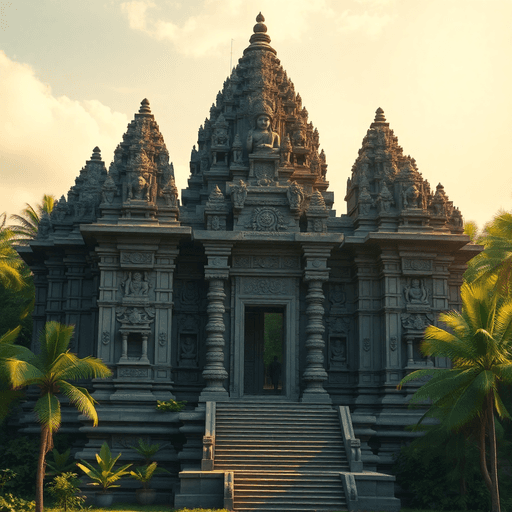
The intricate architecture of Angkor Wat stands as a testament to the profound and enduring influence of ancient Indian civilization on Southeast Asia. At the heart of Cambodia’s most iconic temple complex, one can trace a vibrant tapestry of Hindu deities, mythological motifs, and artistic techniques that echo those found in centuries-old temples across India. This rich intermingling of cultures not only shaped the spiritual landscape of Siem Reap but also forged lasting cultural and historical connections between Cambodia, India, and even distant Bali. By delving into the architectural parallels, religious symbolism, and shared heritage, we uncover the unique story of how ancient gods and beliefs traveled across borders—leaving an indelible mark on some of the world’s most extraordinary monuments.
1. Exploring the Ancient Indian Influence on Angkor Wat’s Architecture
Among the awe-inspiring ruins of Angkor Wat, the influence of ancient Indian civilization is both unmistakable and profound. Built in the early 12th century, Angkor Wat’s grand design mirrors the cosmic symbolism and sophisticated architectural principles found in classical Hindu temples of India. The temple complex not only enshrines myriad Hindu deities—most notably Vishnu, to whom it was originally dedicated—but also features intricate bas-reliefs depicting stories from Indian epics like the Ramayana and Mahabharata. This seamless fusion of Indian religious thought and Khmer artistic expression illustrates how cultural exchange shaped the very foundation of Angkor Wat, transforming it into a living testament to centuries-old connections between India and Cambodia.
Talking Points:
- Detailed analysis of Hindu deities worshipped at Angkor Wat
- Symbolism in temple carvings linked to Indian mythology
- Comparison with Indian temples in terms of design and religious motifs
Reasoning: This topic stands out by focusing deeply on the Indian spiritual and artistic influence, which is often mentioned but rarely explored in detail. It targets readers interested in cultural syncretism and historical religious influences.
2. The Cultural and Spiritual Connections Between Siem Reap and Bali

The enduring bonds between ancient India, Cambodia, and Bali are vividly reflected in their temple architecture, shared spiritual traditions, and intertwined mythologies. From the imposing towers of Angkor Wat to the intricate shrines of Bali, these cultural landmarks serve as living testaments to centuries of exchange and mutual inspiration. By examining the similarities in Hindu rituals, temple festivals, and sacred narratives found across Cambodia and Bali, we uncover a remarkable story of religious syncretism and artistic collaboration. This exploration not only highlights how Indian deities, epics, and sculptural techniques shaped Khmer and Balinese spiritual identities but also reveals how these deep-rooted connections continue to influence contemporary practices in both regions. Through this cross-cultural lens, travelers and scholars alike gain fresh insights into the historical ties that have woven together the rich tapestries of Southeast Asian heritage.
Talking Points:
- Similarities in Hindu rituals and temple festivals in Cambodia and Bali
- Shared mythology and legends between Angkor Wat and Balinese temples
- How these connections influence contemporary religious practices
Reasoning: By drawing a cultural bridge between two famous Hindu-influenced locations, this idea offers fresh cross-cultural insights that appeal to travelers and scholars alike.
3. Unveiling the Historical Ties Between Ancient Cambodia and India

Nestled within the heart of Southeast Asia, the architectural marvels of Angkor Wat and the ornate temples of Bali stand as enduring testaments to a centuries-old cultural exchange between India and its eastern neighbors. This intricate web of historical ties—woven through ancient trade routes, the spread of Hinduism, and shared mythologies—has profoundly shaped both Cambodian and Balinese societies. By examining archaeological evidence, comparative temple architecture, and the enduring legacy of Indian deities in local spiritual practices, we move beyond surface-level tourist narratives. Instead, we uncover a rich tapestry of religious syncretism and artistic inspiration that continues to influence contemporary life in Siem Reap and Bali, offering valuable insights for history enthusiasts and curious travelers alike.
Talking Points:
- Early trade routes facilitating cultural exchange between India and Southeast Asia
- Spread of Hinduism and its impact on Cambodian architecture and governance
- Archaeological evidence supporting Indian influence
Reasoning: Addressing historical context enriches understanding beyond tourist narratives, making it useful for history buffs seeking evidence-based content.
4. Comparative Study of Temple Architecture: Angkor Wat vs Balinese Temples

The architectural marvels of Angkor Wat and Balinese temples stand as enduring testaments to the deep-rooted connections between ancient India, Cambodia, and Bali. Far more than tourist attractions, these sacred sites embody centuries of cultural exchange, religious syncretism, and artistic innovation sparked by early trade routes and the spread of Hinduism across Southeast Asia. By delving into their structural similarities and differences, exploring the influence of geography on their design, and examining the pivotal role of Indian deities in shaping local spiritual identities, we gain a nuanced understanding of how Indian heritage permeated Cambodian and Balinese societies. This comparative study not only highlights the intricate tapestry of shared mythologies and artistic techniques but also reveals how these historic influences continue to shape contemporary cultural landscapes for historians, architecture enthusiasts, and curious travelers alike.
Talking Points:
- Structural differences and similarities in design patterns
- Functional roles of temples within their respective societies
- Influence of geography on architectural style
Reasoning: A detailed comparison appeals to architecture students, historians, or enthusiasts looking for nuanced understanding rather than superficial summaries.
5. The Role of Ancient Indian Deities in Shaping Cambodian Spiritual Identity

The intricate relationship between ancient India and Cambodia is vividly reflected in the spiritual and architectural marvels of Angkor Wat. Central to this connection is the profound influence of Indian deities, whose worship was not simply transplanted but dynamically adapted to resonate with Khmer culture. By tracing how key gods such as Vishnu and Shiva became integral to Cambodian society, we uncover the evolution of religious practices that shaped Khmer art, literature, and identity. This exploration reveals religion as a dynamic force—continuously reinterpreted and localized—offering a fresh perspective on the enduring impact of Indian heritage on Cambodia’s cultural landscape.
Talking Points:
- Identification of key Indian gods revered at Angkor Wat
- Evolution of deity worship adapted to Cambodian culture
- Impact on Khmer art, literature, and society
Reasoning: This idea delves into religion as a dynamic force shaping cultural identity, offering a sophisticated perspective not commonly covered.
6. Rediscovering Siem Reap Through the Lens of Ancient Hindu Mythology
Nestled amid the lush forests and sprawling ruins of Cambodia, Angkor Wat stands not only as an architectural wonder but also as a living testament to centuries of cultural exchange between India and Southeast Asia. The sacred stones of this vast temple complex whisper stories drawn from ancient Hindu mythology—tales that continue to shape local spiritual identity and captivate travelers seeking meaning beyond the ordinary. Today, guided tours weave these timeless myths into journeys through the temple’s intricate corridors, inviting visitors to see Siem Reap through a new lens—one where every carving, tower, and sacred pond reveals connections to gods like Vishnu and Shiva, and where history, legend, and lived experience merge in unforgettable ways. This narrative-driven approach to exploring Angkor Wat not only enriches tourism but also preserves the vibrant tapestry of stories that have bound Cambodia and India across centuries.
Talking Points:
- Guided narrative connecting mythological stories with specific spots at Angkor Wat
- How local guides keep these myths alive today
- Influence on tourism experiences
Reasoning: Incorporating storytelling intertwined with travel advice gives an engaging twist appealing to tourists seeking deeper meaning rather than just sightseeing tips.
7. How Ancient Indian Religion Influenced Cambodia’s Political History
The profound relationship between ancient India and Cambodia is etched not only in the stones of Angkor Wat but also in the very fabric of Khmer political and spiritual identity. From the adoption of Hindu kingship symbolism to the integration of religious iconography as a tool for political legitimacy, the Khmer Empire’s governance drew deeply from Indian traditions. As centuries unfolded, this dynamic interplay evolved—Hinduism gradually gave way to Buddhism, yet earlier influences endured, shaping both political structures and cultural expressions. By exploring these multifaceted connections, we gain a comprehensive understanding of how religion and politics merged to forge the enduring legacy visible today in Cambodia’s majestic temples and vibrant spiritual life.
Talking Points:
- Role of Hindu kingship symbolism in Khmer Empire’s governance
- Use of religious iconography for political legitimacy
- Transition from Hinduism to Buddhism while retaining earlier influences
Reasoning: Merging religion with political history provides comprehensive insight that is academically valuable yet accessible.
8. Preservation Challenges of Cultural Heritage: Angkor Wat and Balinese Temples
The enduring splendor of Angkor Wat and the iconic temples of Bali stand as testaments to Southeast Asia’s rich cultural and spiritual heritage. Yet, these ancient wonders now face unprecedented challenges as tourism surges and environmental pressures mount. The preservation of such invaluable sites demands not only robust conservation efforts but also nuanced cooperation between governments, local communities, and international organizations. By comparing Cambodia’s and Indonesia’s approaches to safeguarding their temple complexes, we uncover both common hurdles and innovative solutions—offering vital perspectives for ensuring that future generations can continue to marvel at these architectural masterpieces.
Talking Points:
- Current conservation efforts amid increasing tourism pressure
- Comparing governmental approaches between Cambodia and Indonesia
- Role of international organizations in heritage preservation
Reasoning: This timely topic attracts readers concerned about sustainable tourism and heritage protection, adding a real-world relevance layer often missing from typical historical posts.
9. Artistic Inspirations: How Indian Sculptural Techniques Shaped Khmer Temples

The intricate stone carvings and monumental sculptures that adorn the temples of Angkor Wat stand as remarkable testaments to a centuries-old artistic dialogue between ancient India and Cambodia. As Khmer artisans borrowed stylistic elements from Indian prototypes, they simultaneously infused their creations with distinct local aesthetics, resulting in a visual language that is both familiar and wholly original. This article delves into the profound influence of Indian sculptural techniques on Khmer temple art, exploring how these adaptations not only enhanced religious storytelling but also forged a unique cultural identity for Cambodia’s sacred sites. By examining the nuanced interplay between imported inspiration and indigenous innovation, we gain fresh insights into the enduring legacy of cross-cultural exchange in Southeast Asian art history.
Talking Points:
- Analysis of sculptural styles borrowed from Indian prototypes
- Unique adaptations by Khmer artisans reflecting local aesthetics
- Importance of sculpture in religious storytelling
Reasoning: Focusing on the artistic dimension offers creative insights helping artists or art historians distinguish this article from generic cultural reviews.
10. Journey Through Time: Tracing Religious Syncretism from India to Southeast Asia

The intricate tapestry of Southeast Asian culture is woven from centuries of cross-cultural exchange, with the influence of ancient Indian civilization leaving an indelible mark on regions like Cambodia and Bali. From the majestic spires of Angkor Wat to the spiritual vibrancy of Balinese temples, this fusion manifests in architecture, art, and religious practices that blend Indian Hindu traditions with indigenous beliefs. By tracing the evolution of these connections—from early temple construction and shared deities to modern festivals and preservation efforts—we uncover how ancient interactions continue to shape contemporary cultural identities. This exploration not only highlights the enduring legacy of Indian influence but also reveals the unique adaptations that have given rise to a distinct visual and spiritual language across Southeast Asia.
Talking Points:
- Timeline mapping evolution from indigenous beliefs influenced by Indian Hinduism
- Integration with local Balinese spiritual traditions
- Modern manifestations in festival celebrations
Reasoning: Presenting the gradual fusion offers readers a broad view that connects ancient history to modern culture—ideal for both casual learners and academic readers seeking comprehensive narratives.


Comments
Post a Comment